why adaptive reuse
Adaptive reuse is the fastest, most sustainable way to deliver housing, infrastructure, and community spaces. It preserves embodied energy, reduces carbon, and revitalises precincts – while aligning with ESG investment and planning reform.
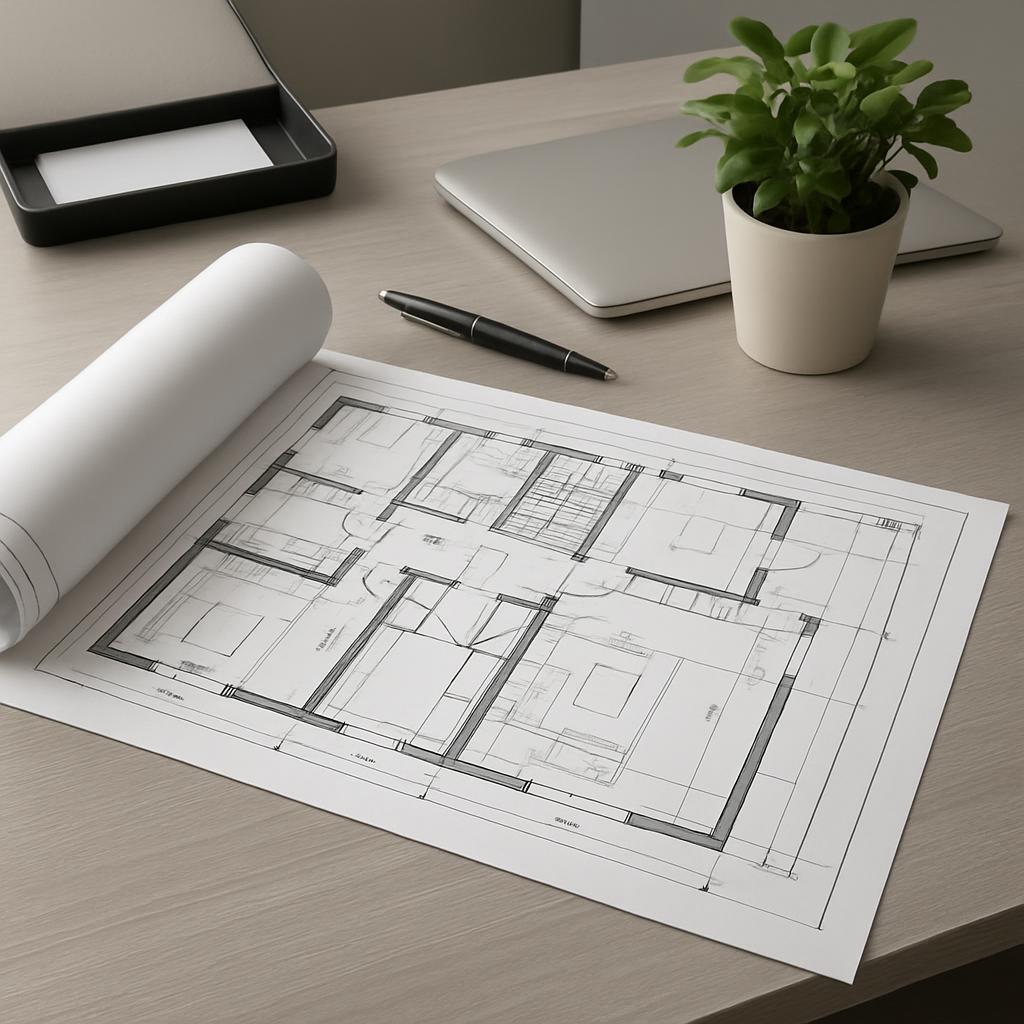
Adaptive reuse
The adaptive reuse space has growing ESG capital, policy momentum and industry endorsements.
——————
“Adaptive reuse breathes new life into urban areas by transforming ageing and underutilized assets, including land and building infrastructure. It can offer innovative solutions to urbanization, climate change and social inclusion challenges.” — World Economic Forum, April 2025
“Empty and underused buildings physically deteriorate at faster rates than occupied ones.” — Sara Wilkinson et al., “New Toolkit Scores Sustainable Commercial Reuse,” RICS Property Journal, December 8, 2023,
“Repurposing an existing building emits 50-75% less carbon than constructing the same building new. When adaptive reuse is paired with sustainability efforts to lower embodied and operational carbon, one can bolster the clean energy economy, create greener jobs and enable new economies.” — World Economic Forum, April 2025
“The adaptive reuse of aging commercial buildings, from heritage-listed treasures to B and C-grade assets from the late 20th century, has emerged as a cost-effective and sustainable solution to bring these spaces back to life for contemporary uses.” — Nigel Mark, Plus Architecture. (2023, July 18). Harnessing opportunities within Melbourne’s heritage landscape. Build Australia.
 AdaptiveThinking